 Cold Plunge Guide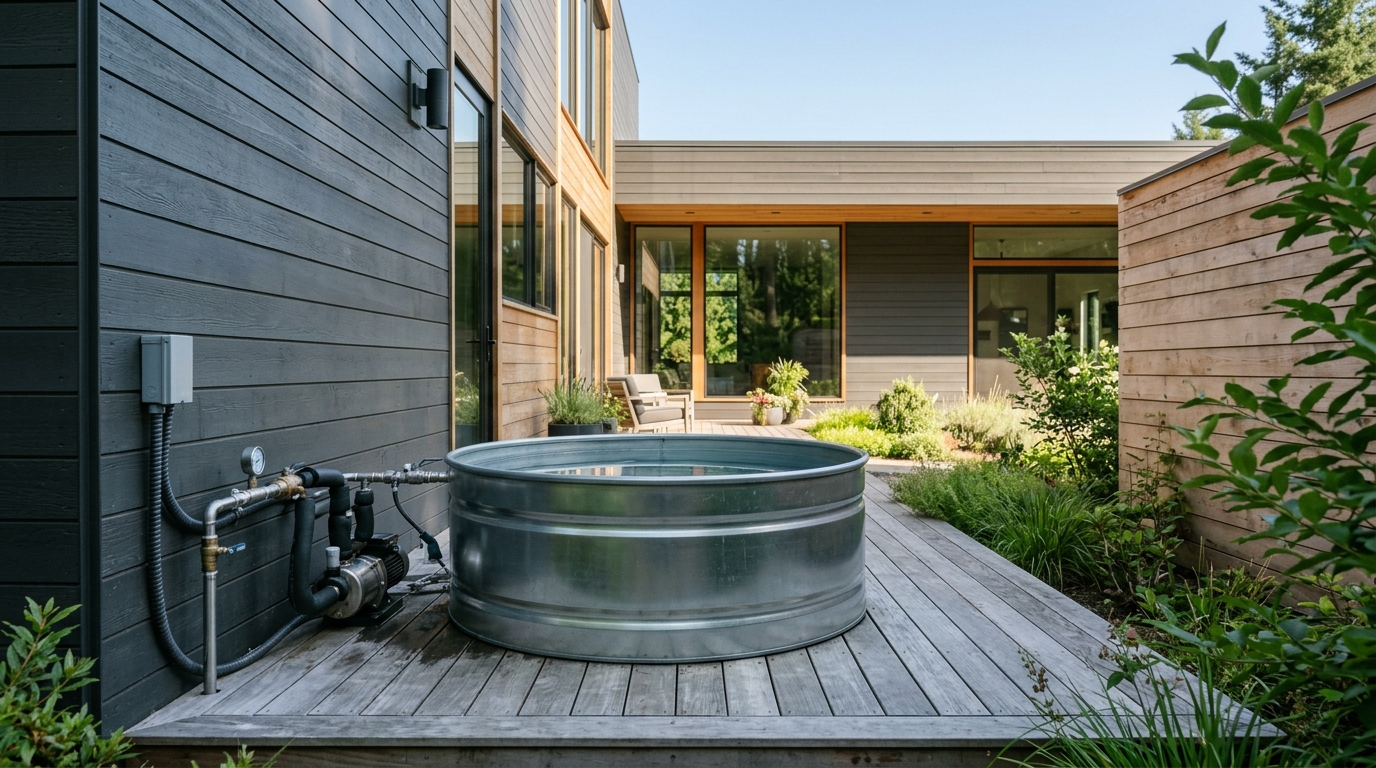
Most cold plunge tubs require a dedicated 220V outlet and GFCI protection, with amperage varying from 15-50 am
Allow at least 8x8 feet for the tub plus 3 feet clearance on all sides for maintenance access and safety.
Most areas require permits for electrical work and plumbing connections, and some classify cold plunge tubs as
Cold Plunge Tub Setup — Complete Guide
Cold plunge tub setup requires selecting a location that supports 300-800 pounds of filled weight, securing adequate drainage within 15 feet, and ensuring access to either a dedicated 20-amp circuit for plug-and-play units or 240-volt hardwired power for chiller-equipped models. Most residential installations take 4-8 hours for plug-and-play systems or 2-3 days when electrical upgrades and concrete pads are involved.
The core decision in any cold plunge tub setup centers on chiller type and power delivery. Pre-packaged units with built-in chillers typically need 1500-3500 watts to maintain water at 39-55°F, while standalone chest freezers converted to plunge tubs use 150-300 watts but lack filtration. Your climate matters: maintaining 45°F water in Texas summer heat demands significantly more cooling capacity than the same temperature in California coastal regions.
What electrical requirements are needed for a cold plunge tub?
Plug-and-play cold plunge systems require a standard 120-volt, 20-amp circuit with GFCI protection within 6 feet of the unit, while premium models with powerful chillers demand 240-volt hardwired connections installed by a licensed electrician. A 120-volt setup handles chillers up to 1/4 horsepower, adequate for maintaining 50°F in moderate climates, but struggles in ambient temperatures above 85°F. The 240-volt option powers 1/2 to 1 horsepower chillers that achieve 39°F regardless of weather and recover temperature within 2-3 hours after use, compared to 6-8 hours for smaller units.
GFCI protection is non-negotiable for any water feature. The outlet must be weather-rated for outdoor installations and positioned to prevent cord tension or trip hazards. If your nearest circuit already serves multiple devices, calculate total amperage—a 20-amp breaker trips at 16 amps continuous load, and adding a 12-amp chiller to a circuit already drawing 6 amps creates nuisance shutdowns. Hardwired installations bypass this issue but cost $800-1,500 for electrician labor plus permit fees.
How much space do I need for a cold plunge tub setup?
A functional cold plunge tub setup occupies 25-40 square feet including the tub footprint, 18-24 inches of clearance on the access side, and 6-12 inches behind for plumbing connections and chiller ventilation. Standard single-person tubs measure 55 inches long by 30 inches wide, while two-person models extend to 80 inches. Add 36 inches in front for safe entry and exit, particularly when wet surfaces are slippery.
| Aspect | What it covers | Why it matters |
|---|---|---|
| cold plunge tub installation requirements | What electrical requirements are needed for a cold plunge tub? | Most cold plunge tubs require a dedicated 220V outlet and GFCI protection, with amperage v |
| plumbing and electrical setup for cold plunge | How much space do I need for a cold plunge tub setup? | Allow at least 8x8 feet for the tub plus 3 feet clearance on all sides for maintenance acc |
| insulation and temperature control systems | Do I need a permit for cold plunge tub installation? | Most areas require permits for electrical work and plumbing connections, and some classify |
| filtration and water treatment setup | How long does cold plunge tub setup take? | Professional installation typically takes 1-3 days, while DIY setups can take 1-2 weeks de |
| indoor vs outdoor cold plunge placement | What's the difference between plug-and-play and hardwired setups? | Plug-and-play units use standard outlets but have limited cooling power, while hardwired s |
Indoor installations in a garage or home gym require headroom of at least 48 inches above the tub rim for comfortable entry, though taller users benefit from 60 inches. Floor load capacity becomes critical: a 100-gallon tub filled with water and a 200-pound user creates 1,035 pounds concentrated in 12 square feet, or 86 pounds per square foot. Residential floors typically support 40 pounds per square foot, making ground-floor or reinforced basement locations essential. Fiberglass and Stainless Steel tubs distribute weight more evenly than concrete models, which concentrate load at the base perimeter.
Outdoor setups need level ground within 1/4 inch across the tub footprint. Pouring a 4-inch concrete pad costs $300-600 for a single tub but prevents settling and simplifies drainage. PVC gravel beds offer a cheaper alternative at $100-150 but compact over time, creating uneven stress on tub walls.
Do I need a permit for cold plunge tub installation?
Permits are required in most jurisdictions when adding new electrical circuits, modifying plumbing, or installing permanent outdoor structures, with fees ranging from $50-300 depending on scope. California and Texas both mandate electrical permits for 240-volt installations, while plug-and-play units on existing circuits often fall below permit thresholds. Permanent plumbing connections that tie into household drain lines always trigger permit requirements, but gravity drains to landscape or French drains typically do not.
Zoning setbacks apply to outdoor tubs in many municipalities: 5-10 feet from property lines is standard, and homeowner associations frequently impose additional restrictions on visible equipment. Verify local codes before purchasing, as retrofitting a non-compliant installation costs significantly more than initial compliance. Some areas classify cold plunge tubs as spas, requiring pool barrier fencing if the tub exceeds 24 inches depth, though most cold plunge designs stay at 36-48 inches specifically to avoid this classification.
What's the difference between plug-and-play and hardwired setups?
Plug-and-play systems connect to standard 120-volt outlets and include integrated chillers, filtration, and controls in a single unit priced at $3,000-6,000, while hardwired setups use separate chiller equipment requiring professional installation but offer more cooling power and cost $5,000-12,000 complete. The plug-and-play advantage is immediate operation: unbox, fill, plug in, and reach target temperature in 4-6 hours. Hardwired systems need an electrician, take 1-2 days to commission, but maintain colder temperatures with less energy consumption over time.
Hardwired chillers mount remotely, reducing noise at the tub location from 55-65 decibels to near silence. This matters for indoor setups or noise-sensitive neighbors. The separated components also simplify repairs: replacing a failed chiller doesn't require draining and moving the entire tub. Plug-and-play units integrate everything, making them ideal for renters or anyone prioritizing portability, but component failure often means shipping the complete unit for service.
Joe Rogan and Tony Robbins both use hardwired commercial-grade systems for their recovery routines, reflecting the performance ceiling of separated equipment. Wim Hof, who popularized Cold Therapy practices, emphasizes that water temperature matters more than equipment sophistication—39°F from a basic chest freezer conversion delivers the same physiological response as a premium chiller system.
Can I install a cold plunge tub indoors?
Indoor cold plunge tub installations work well in basements, garages, and dedicated wellness rooms provided you address moisture management, ventilation, and floor drainage. Water vapor from a 50°F tub in a 70°F room creates condensation on walls and ceilings, requiring exhaust fans moving 50-80 cubic feet per minute or a dehumidifier rated for the room volume. Waterproof flooring extends 3-4 feet from the tub in all directions—epoxy coatings, sealed concrete, or commercial vinyl handle repeated wet-dry cycles without degrading.
Drainage is the primary indoor challenge. Gravity drains to existing floor drains work when available, but most garages and basements lack convenient drainage within 15 feet of suitable tub locations. A condensate pump ($150-300) lifts water vertically up to 20 feet to reach drain lines, though you'll need a GFCI-protected outlet for the pump. Some users drain tubs weekly rather than continuously filtering, rolling water outdoors via garden hose—acceptable for occasional use but impractical for daily routines.
Indoor temperature stability reduces chiller workload by 20-30% compared to outdoor installations. A garage in moderate climates keeps ambient temperature within 10-15°F of the target water temperature, while outdoor tubs in direct sun fight 30-40°F differentials. This translates to lower electricity costs and extended chiller lifespan, though you sacrifice the outdoor recovery experience many practitioners prefer.
How long does cold plunge tub setup take?
Complete cold plunge tub setup takes 4-6 hours for plug-and-play models on prepared surfaces with existing electrical, or 2-4 days when site preparation, electrical upgrades, and concrete work are necessary. A typical timeline for a best cold plunge tub setup for small backyard includes one day for site leveling and pad installation, one day for electrical rough-in and inspection, then 4 hours for tub placement and commissioning. Initial water cooling requires 6-12 hours depending on chiller capacity and starting water temperature, meaning first use happens 2-3 days after beginning the project.
DIY approaches using stock tanks or chest freezers compress setup time to 2-3 hours but sacrifice filtration and precise temperature control. These work for beginners testing cold exposure before investing in dedicated equipment. Converting a chest freezer involves drilling drain holes, adding an external temperature controller ($30-50), and waterproofing electrical connections—manageable skills for anyone comfortable with basic tools.
Professional installation averages $500-1,200 for labor beyond the tub cost, covering site prep, electrical connection, and initial water treatment. This investment makes sense for hardwired systems where code compliance matters, but represents poor value for plug-and-play units that genuinely require only unpacking and filling.
FAQ
**What ongoing maintenance does a cold plunge tub setup require?**
Weekly tasks include testing and adjusting sanitizer levels (chlorine or bromine), cleaning the filter cartridge, and wiping down surfaces to prevent biofilm. Monthly maintenance involves draining and refilling the tub every 3-4 months depending on use frequency, descaling the chiller coils if you have hard water, and inspecting seals and connections for leaks. Budget 15-20 minutes weekly and $30-50 monthly for chemicals and replacement filters.
**Can I use my cold plunge tub setup year-round in cold climates?**
Yes, though winter operation in regions with sustained below-freezing temperatures requires insulated covers, heat tape on exposed plumbing, and potentially housing the chiller unit in a heated space. The tub itself won't freeze when the chiller runs continuously, but unprotected supply lines and drain pipes will. Some users drain their systems during extended freezing periods and rely on Cryotherapy studios rather than risk freeze damage to equipment worth thousands of dollars.
**What's the minimum water temperature for effective cold exposure?**
Water between 50-59°F provides meaningful cold exposure benefits for most people, while temperatures below 45°F intensify the response and require shorter immersion times of 2-3 minutes versus 5-10 minutes at warmer settings. Hypothermia risk increases significantly below 40°F without proper acclimatization and supervision. Start at 60°F and decrease gradually over weeks as your cold tolerance improves, rather than immediately targeting the coldest possible temperature your equipment can achieve.
Frequently asked questions
What electrical requirements are needed for a cold plunge tub?
Most cold plunge tubs require a dedicated 220V outlet and GFCI protection, with amperage varying from 15-50 amps depending on the chiller size.
How much space do I need for a cold plunge tub setup?
Allow at least 8x8 feet for the tub plus 3 feet clearance on all sides for maintenance access and safety.
Do I need a permit for cold plunge tub installation?
Most areas require permits for electrical work and plumbing connections, and some classify cold plunge tubs as pools requiring additional permits.