 Cold Plunge Guide
Cold Plunge Tub Setup: Plumbing and Electrical For
Cold plunge tub setup requires dedicated electrical circuits rated for outdoor wet locations and water supply lines capable of filling 80-150 gallons within a practical timeframe. Most residential installations demand a 20-amp GFCI-protected circuit for chiller units, while larger systems with integrated heating elements may require 30-50 amp circuits at 240 volts. Plumbing involves either a garden hose fill with manual drain or permanent hard-plumbed connections to municipal water and sewer lines.
What electrical requirements are needed for a cold plunge tub?
A standard cold plunge chiller draws 1,200-1,800 watts and requires a dedicated 20-amp circuit with GFCI protection installed within six feet of the unit. Hardwired systems eliminate extension cords and meet National Electrical Code standards for permanent outdoor appliances. If your tub includes ozone sanitation or UV filtration, add another 100-300 watts to your load calculation. California and Texas building codes both mandate tamper-resistant GFCI outlets for any receptacle within ten feet of water, and most jurisdictions require a licensed electrician to pull permits for circuits exceeding 15 amps.
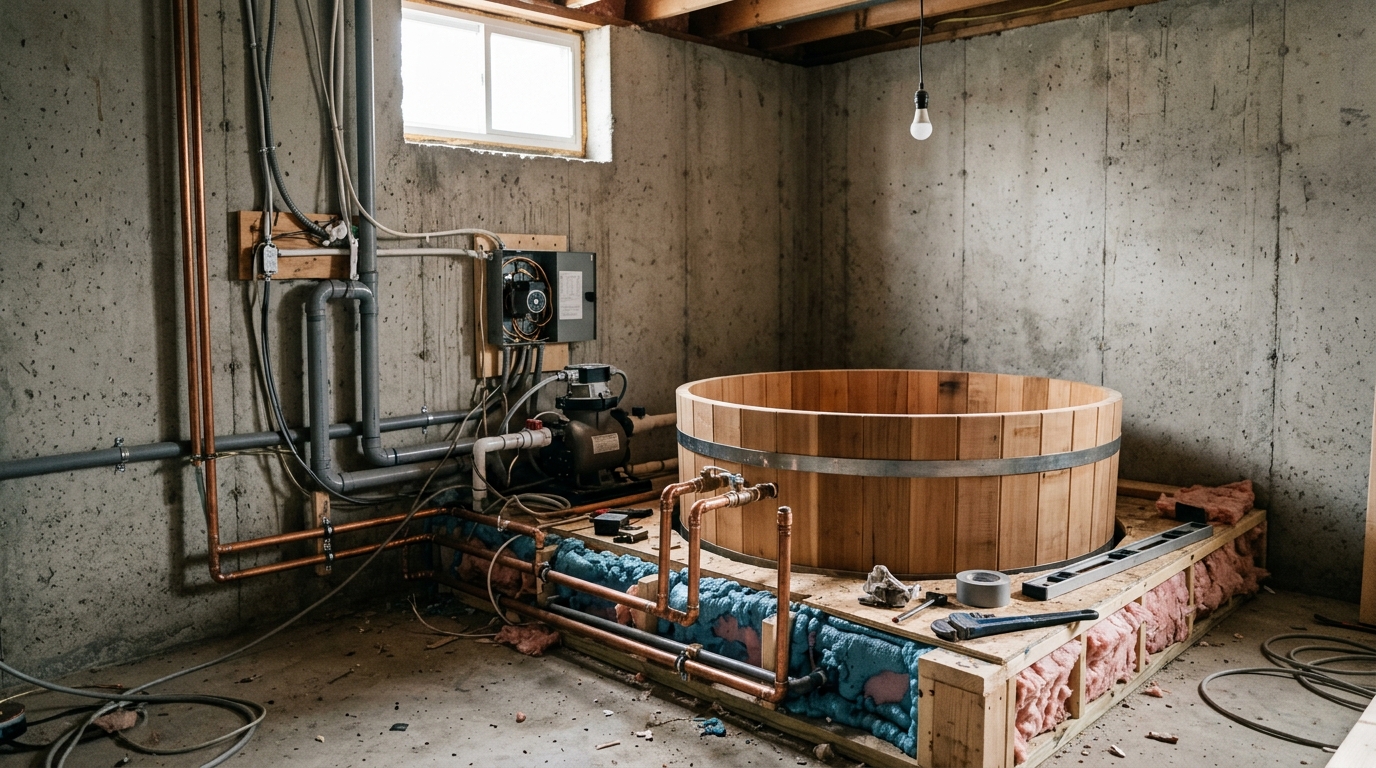
How much space do I need for a cold plunge tub setup?
A functional cold plunge footprint spans 6x8 feet minimum, accounting for the tub itself plus 18-24 inches of clearance on at least two sides for equipment access and safe entry. The chiller unit occupies roughly 2x2 feet and needs unobstructed airflow—position it at least three feet from walls or fencing. Indoor garage installations work well if you have 8-foot ceilings to accommodate moisture ventilation and can route a floor drain within ten feet of the tub. Stainless Steel models weigh 400-600 pounds when filled, so verify floor joist capacity for second-story or elevated deck placements.
What's the difference between plug-and-play and hardwired setups?
Plug-and-play systems connect to standard 120-volt outlets using a 15-20 amp circuit and ship with pre-wired pumps and chillers, allowing same-day operation without an electrician. Hardwired configurations terminate directly at your breaker panel via conduit, supporting higher-amperage equipment like dual-compressor chillers that drop water temperature to 37°F in under four hours. Hardwired setups cost $800-1,500 more upfront but eliminate tripped breakers common with plug-and-play units sharing circuits with other appliances. PVC plumbing connections remain identical across both approaches—most tubs use standard 1.5-inch slip fittings compatible with off-the-shelf pool equipment.
FAQ
**Can I use a regular garden hose to fill my cold plunge?** Yes, a 5/8-inch garden hose fills most tubs in 45-90 minutes, though hard-plumbing a dedicated fill line with a 3/4-inch supply valve cuts that time by half and simplifies routine water changes.
**Do chiller units work in freezing climates?** Most chillers operate down to 40°F ambient temperature; below that, compressor efficiency drops sharply and you risk frozen condensate lines unless the unit includes cold-weather packages with heated drain pans.
Frequently asked questions
What electrical requirements are needed for a cold plunge tub?
Most cold plunge tubs require a dedicated 220V outlet and GFCI protection, with amperage varying from 15-50 amps depending on the chiller size.
How much space do I need for a cold plunge tub setup?
Allow at least 8x8 feet for the tub plus 3 feet clearance on all sides for maintenance access and safety.
Do I need a permit for cold plunge tub installation?
Most areas require permits for electrical work and plumbing connections, and some classify cold plunge tubs as pools requiring additional permits.