 Cold Plunge Guide
cold plunge tub setup cost breakdown — Hypothermia
Cold plunge tub setup costs range from $1,200 for a basic stock tank conversion to $15,000 for a premium integrated system with chiller and filtration. The largest variable is whether you purchase a ready-made unit or assemble components yourself. A mid-range plug-and-play tub with built-in cooling runs $3,500 to $6,000, while a hardwired installation with dedicated 240V service adds $800 to $2,500 in electrical work depending on your panel's distance from the tub location.
Equipment represents 60 to 75 percent of total outlay. Entry-level chillers capable of maintaining 39°F cost $600 to $1,200, while commercial-grade units with digital controls and faster cooling cycles reach $2,800. Fiberglass tubs hold 80 to 150 gallons and start at $900; Stainless Steel models begin around $2,200 but resist corrosion in outdoor settings. PVC stock tanks offer the cheapest vessel at $200 to $400 but lack insulation, forcing your chiller to work continuously in warm climates like Texas or California.
What electrical requirements are needed for a cold plunge tub?
Most dedicated chillers require a 20-amp circuit with GFCI protection; some larger models demand 30 amps at 240V. Plug-and-play systems use standard 120V outlets but cool water more slowly—expect eight to twelve hours to drop from 70°F to 45°F versus three to five hours on 240V. Your breaker panel must have available capacity; homes built before 2000 often need a $1,200 to $1,800 panel upgrade to handle the additional load. Hardwired installations mandate a licensed electrician and typically cost $65 to $95 per hour for two to four hours of labor.
How much space do I need for a cold plunge tub setup?
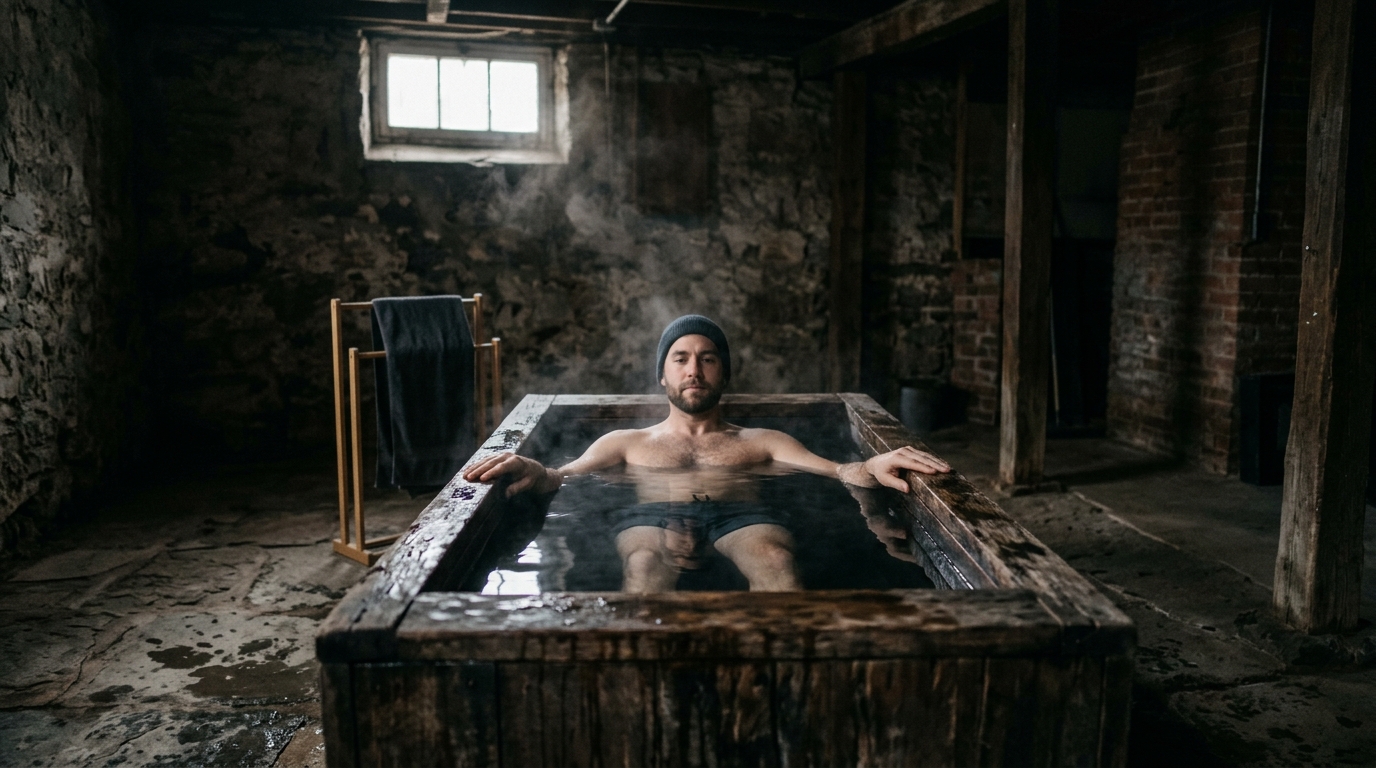
A functional cold plunge tub setup for home gym or garage use requires a 6-by-6-foot footprint minimum. The tub itself occupies 3 to 4 feet in diameter or length, with an additional 18 to 24 inches clearance on at least two sides for entry, exit, and maintenance access to the chiller. Indoor installations need proper drainage—a floor drain within 10 feet or a sump pump system costing $300 to $600. Ceiling height matters for vertical entry tubs; allow 7 feet clearance. Cold plunge tub setup for beginners often works best in a garage corner with concrete flooring that tolerates splashing and condensation.
Do I need a permit for cold plunge tub installation?
Electrical work almost always requires a permit, costing $50 to $200 depending on municipality. Plumbing permits apply if you connect to existing drain lines; expect $75 to $150. California and other states mandate GFCI protection on all wet-location circuits, which inspectors verify before approval. Portable setups using existing outlets typically avoid permits, though some homeowner associations classify them as permanent structures requiring architectural review.
**FAQ**
**Can a stock tank work as a cold plunge tub setup in a small backyard?**
Yes. A 100-gallon galvanized stock tank costs $180 to $300 and pairs with a $700 portable chiller, creating a functional system for under $1,200. Add $150 for a timer and basic filtration.
**How long does cold plunge tub setup take for a DIY install?**
Expect one weekend for a plug-and-play unit: four hours for assembly and positioning, then overnight for initial cooldown. Hardwired systems require scheduling an electrician, adding three to seven days to the timeline.
Frequently asked questions
What electrical requirements are needed for a cold plunge tub?
Most cold plunge tubs require a dedicated 220V outlet and GFCI protection, with amperage varying from 15-50 amps depending on the chiller size.
How much space do I need for a cold plunge tub setup?
Allow at least 8x8 feet for the tub plus 3 feet clearance on all sides for maintenance access and safety.
Do I need a permit for cold plunge tub installation?
Most areas require permits for electrical work and plumbing connections, and some classify cold plunge tubs as pools requiring additional permits.