 Cold Plunge Guide
DIY cold plunge tub setup guide — GFCI
Cold plunge tub setup requires a 120V or 240V dedicated circuit with GFCI protection, 25 to 80 square feet of floor space depending on unit size, and structural support capable of bearing 1,800 to 3,000 pounds when filled. Most residential installations take 4 to 8 hours for plug-and-play models or 1 to 3 days when hardwiring with professional electrical work.
The simplest cold plunge tub setup for beginners uses a stock tank or chest freezer conversion in a garage or covered patio. A 100-gallon galvanised stock tank costs $120 to $180, while a dedicated chiller unit runs $400 to $1,200. You'll need a pump rated at 300 to 600 gallons per hour, filtration rated for the volume, and a timer to cycle the chiller 2 to 4 times daily.
What electrical requirements are needed for a cold plunge tub?
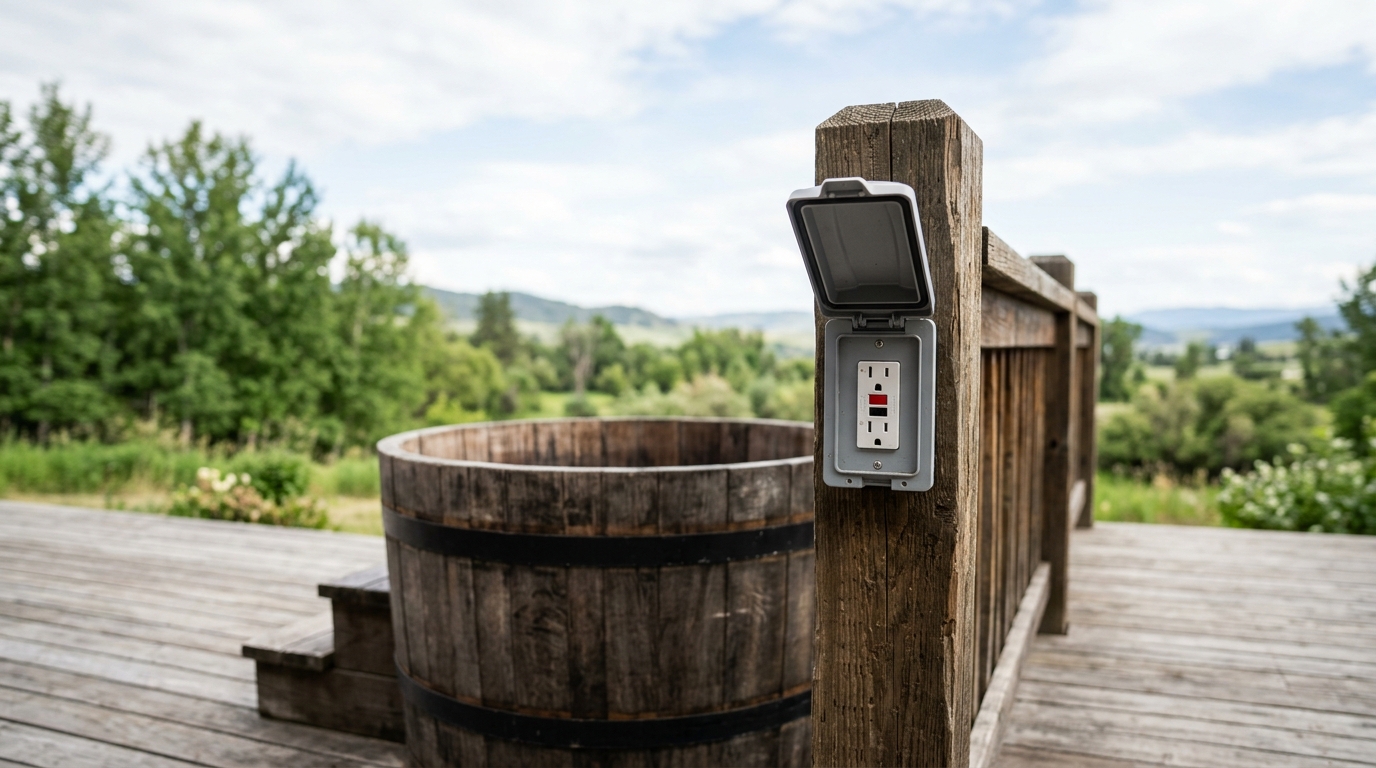
A cold plunge tub setup demands a GFCI-protected circuit rated at 15 to 20 amps for 120V models or 30 to 50 amps for 240V units with integrated heating and cooling. The GFCI breaker must trip within 4 to 6 milliseconds if it detects current leakage above 5 milliamps, preventing shock in wet conditions. Outdoor installations in California and Texas require weatherproof enclosures rated NEMA 3R or higher. Run copper wiring sized to match the breaker—14-gauge for 15-amp circuits, 12-gauge for 20-amp, and 10-gauge for 30-amp loads—and terminate at a disconnect box within sight of the tub.
How much space do I need for a cold plunge tub setup?
A standalone cold plunge tub occupies 30 to 50 square feet for the unit itself, plus 18 to 24 inches of clearance on all accessible sides for maintenance. Indoor installations in a home gym or garage require 8-foot ceilings minimum to accommodate entry and exit. Factor in 36 to 48 inches of pathway width for safe wet-floor access. Concrete slabs must support 150 to 200 pounds per square foot; wooden decks need reinforcement with additional joists spaced 12 inches on centre. Outdoor setups benefit from shade structures to reduce solar heat gain by 40 to 60 percent during summer months.
What's the difference between plug-and-play and hardwired setups?
Plug-and-play cold plunge tubs connect to standard 120V outlets via a 15-foot GFCI-protected cord, requiring no electrician and costing $2,500 to $6,000 installed. Hardwired 240V systems deliver faster chilling—dropping water temperature from 70°F to 39°F in 3 to 5 hours versus 8 to 12 hours—but require permits and licensed electrical work adding $800 to $1,500 to total costs.
FAQ
**Can I use PVC plumbing for my DIY cold plunge tub setup?**
Schedule 40 PVC rated for cold water service works for drain lines and return jets. Use Stainless Steel or brass fittings at pump connections to prevent cracking under vibration.
**Do I need a permit for cold plunge tub installation?**
Most jurisdictions require electrical permits for dedicated circuits and structural permits if adding floor reinforcement. Texas and California mandate inspections for any 240V work or modifications to load-bearing members.
Frequently asked questions
What electrical requirements are needed for a cold plunge tub?
Most cold plunge tubs require a dedicated 220V outlet and GFCI protection, with amperage varying from 15-50 amps depending on the chiller size.
How much space do I need for a cold plunge tub setup?
Allow at least 8x8 feet for the tub plus 3 feet clearance on all sides for maintenance access and safety.
Do I need a permit for cold plunge tub installation?
Most areas require permits for electrical work and plumbing connections, and some classify cold plunge tubs as pools requiring additional permits.